AI for logistics and supply chain operations earns its keep when trucks are late, inventory disagrees with the WMS, and customers want ETAs that are not fiction. Generic chatbots bolted onto portals do not move on-time performance. Grounded agents that read ERP events, recommend actions, and escalate with context do.
QuantaloomAI works with mid-market distributors, 3PLs, and industrial firms that already run messy stacks — ERP, TMS, WMS, EDI — and need AI that respects those systems instead of pretending they do not exist.
Where AI for logistics and supply chain operations creates ROI
Focus on exception-heavy loops:
- Shipment delay triage and proactive customer updates
- Inventory discrepancy investigation across sites
- Carrier appointment and dock scheduling assist
- Invoice and freight-audit exception queues
- Field dispatch and voice status for drivers
Each loop has measurable baselines: mean time to resolve exception, percent proactive notifications, and cost per manual touch. If you cannot measure those, start there before model selection.
Ground everything in operational systems of record
Logistics AI fails when it invents stock levels. Connect retrieval and tools to ERP/TMS with freshness SLAs. Patterns from integrating legacy ERP with modern AI workflows apply directly: event-driven sync, entity resolution for SKUs and locations, and human approval on write paths that change inventory or carrier bookings.
QuantaloomAI data engineering engagements often begin by normalizing shipment and inventory events into a semantic layer agents can trust.
Agent patterns that fit operations
Exception copilots for planners
Surface the top delayed loads with probable causes, recommended customer messaging, and next actions. Do not auto-rebook carriers on day one — recommend, then automate after evals pass.
Document intelligence on BOLs and invoices
Extract, validate against shipment records, and route mismatches. Deterministic validation beats free-form generation for financial accuracy.
Voice for hands-busy workers
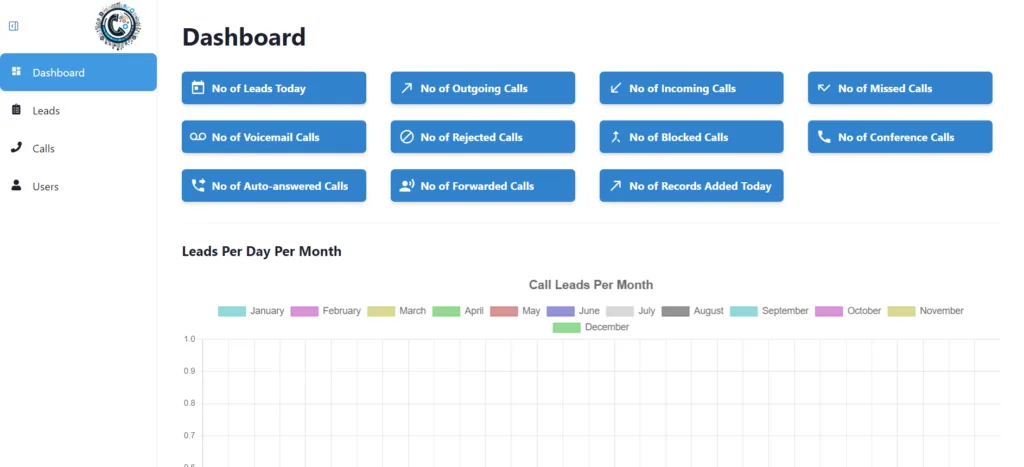
Drivers and dock staff benefit from voice agents that confirm stops, capture exceptions, and write back to TMS — the same discipline we use in support voice systems like Call Lead.
Agentic automation without chaos
Supply chains punish uncontrolled autonomy. Use agentic workflows with scoped tools: read shipment, draft customer email, create ticket — write booking only after approval. Orchestrators should log every action for audit, especially for regulated goods.
Workflow automation is the backbone; LLMs interpret messy exceptions while deterministic services execute bookings and inventory moves.
Metrics operators believe
- Exception cycle time
- Percent of delays with proactive customer contact
- First-contact resolution on track-and-trace
- Freight audit recoveries
- Planner hours reclaimed per week
Pair ops metrics with AI quality metrics — wrong ETAs destroy trust faster than no AI. Observability patterns from production LLM observability keep these systems honest under peak season load.
A pragmatic 90-day path
Days 1–30: instrument exception queues; ship a read-only copilot for planners. Days 31–60: add customer notification drafts with approval; connect voice status for one lane or region. Days 61–90: automate low-risk writes; expand intents with eval gates.
Avoid "AI transformation" programs that try to optimize the entire network model in month one. Start where humans already spend hours fighting exceptions.
Data quality gates before autonomy
SKU master mismatches, duplicate locations, and timezone-naive ETAs will make any model look foolish. Invest in entity resolution and freshness SLAs before expanding write automation. A weekly data quality scorecard — percent of shipments with complete milestones, percent of inventory records reconciled — is a leading indicator of AI success. QuantaloomAI often pairs logistics AI with ERP hygiene work described in legacy ERP AI workflows.
Peak season and failure modes
Logistics AI that works in April can fail in November. Peak volume exposes latency, stale inventory caches, and under-labeled exception types. Load-test retrieval and tool paths before peak. Pre-approve fallbacks: when confidence drops, route to human queues with enriched context instead of inventing ETAs.
Train planners on override etiquette — every override should capture a reason code that feeds the next eval cycle. That feedback loop is how AI for logistics and supply chain operations improves instead of annoying operators.
Change management for ops teams
Operators trust systems that respect their playbooks. Co-design prompts and escalation rules with lead planners. Shadow mode for two weeks before any write automation. Celebrate hours returned to the team in weekly standups with numbers, not slogans. Resistance usually signals a bad UX or a missing tool — fix those before blaming "change aversion." Publish a one-page operator guide covering override keys, escalation phrases, and where to report bad recommendations so AI for logistics and supply chain operations stays a partnership, not a black box.
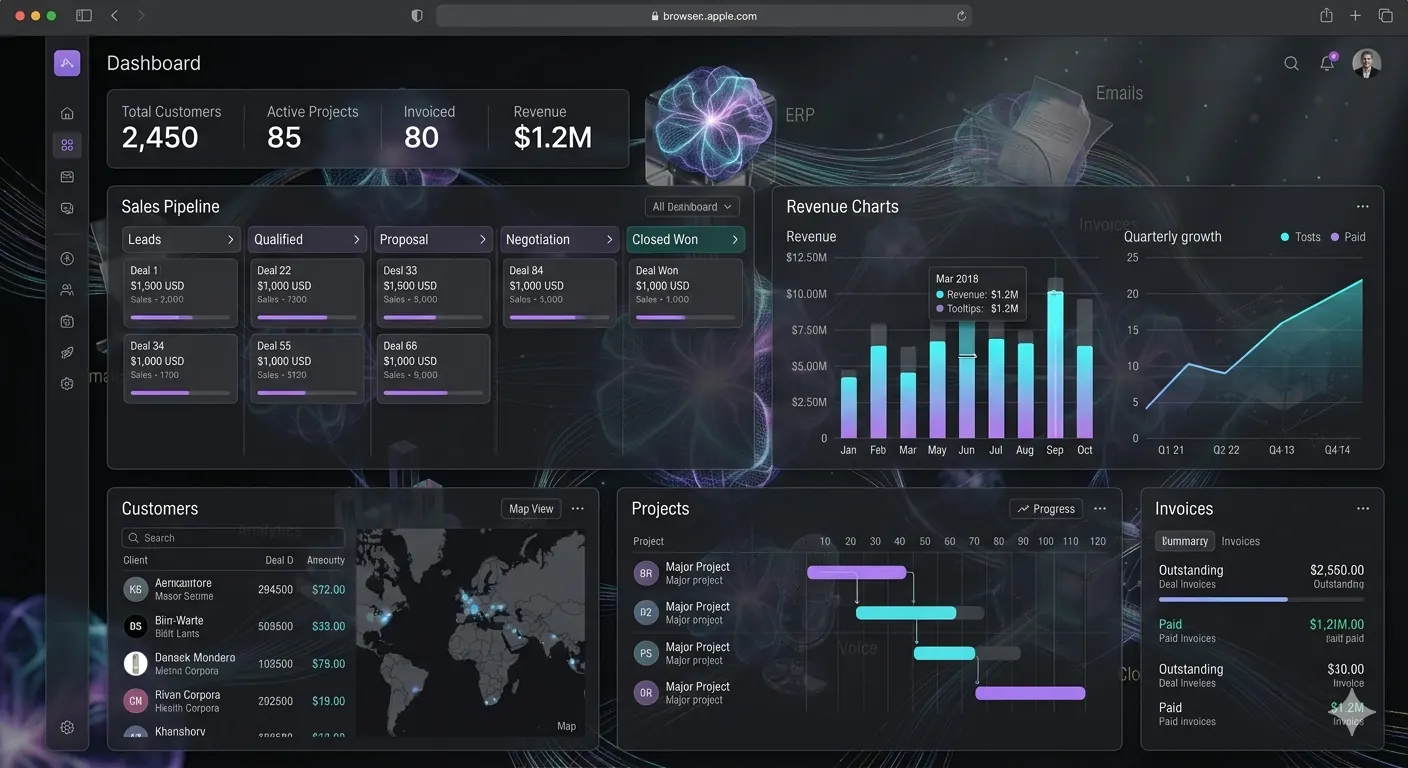
Related product work — platforms like Integrated Business Dynamics and AutomateIQ — shows how ops AI sits beside ERP rather than replacing it. QuantaloomAI AI product development teams ship that hybrid deliberately, often alongside SaaS platforms when customers need multi-site visibility and role-based access.
*Written by Sharjeel Ahmed, QuantaloomAI. Book a briefing to map AI to your logistics exception stack.*