Building production-ready AI products in 2026 is less about picking the newest model and more about designing systems that stay reliable when real users, real data, and real edge cases show up. At QuantaloomAI, we treat every AI product as operational software first — with measurable behavior, clear ownership, and interfaces people can trust under pressure.
The gap between a impressive demo and a product teams depend on is where most AI initiatives stall. Models hallucinate on unfamiliar inputs. Latency spikes during peak usage. Costs climb quietly because nobody instrumented token usage per workflow. The fix is not a better prompt alone; it is a production discipline that spans discovery, architecture, evaluation, and post-launch iteration.
Start with a production-ready AI products use case, not a model
Before writing code, pressure-test the workflow. What decision or task does the product own? What happens when the model is wrong? Who approves high-stakes outputs? We run discovery workshops that map human steps, data sources, failure modes, and success metrics before choosing models or frameworks.
A useful AI product narrows scope aggressively. Instead of "AI for everything in sales," define a single loop: ingest inbound lead context, draft a qualified reply, route to the right owner, and log the outcome. That loop becomes your eval target, your UX surface, and your cost unit. Our AI product development engagements always anchor on one measurable loop before expanding scope.
Define success in operational terms
Production readiness requires numbers teams can review weekly:
- Task completion rate for the core workflow
- Escalation rate to human review
- P95 latency for the user-facing action
- Cost per successful outcome (not just cost per request)
- Regression rate after model or prompt changes
If you cannot measure these, you are still in prototype mode — regardless of how polished the interface looks.
Architecture patterns that survive launch day
Production AI products combine three layers: the model layer (LLM, embeddings, fine-tunes), the tool layer (APIs, databases, retrieval, business rules), and the product layer (UI states, permissions, audit trails). Treating any one layer as an afterthought creates fragility.
Retrieval and context boundaries
Most enterprise AI products need grounded answers. Design retrieval with explicit freshness rules, source attribution in the UI, and fallbacks when confidence is low. Never let the model silently invent policy, pricing, or clinical guidance. For data-heavy systems, pair model work with data engineering foundations — clean schemas, pipeline monitoring, and quality gates upstream of the LLM.
Human-in-the-loop by design
High-stakes workflows need approval states, not hidden autonomy. Build interfaces that show what the model saw, what it recommends, and what changes when a human edits the output. Users adopt AI faster when uncertainty is visible rather than disguised.
Observability from week one
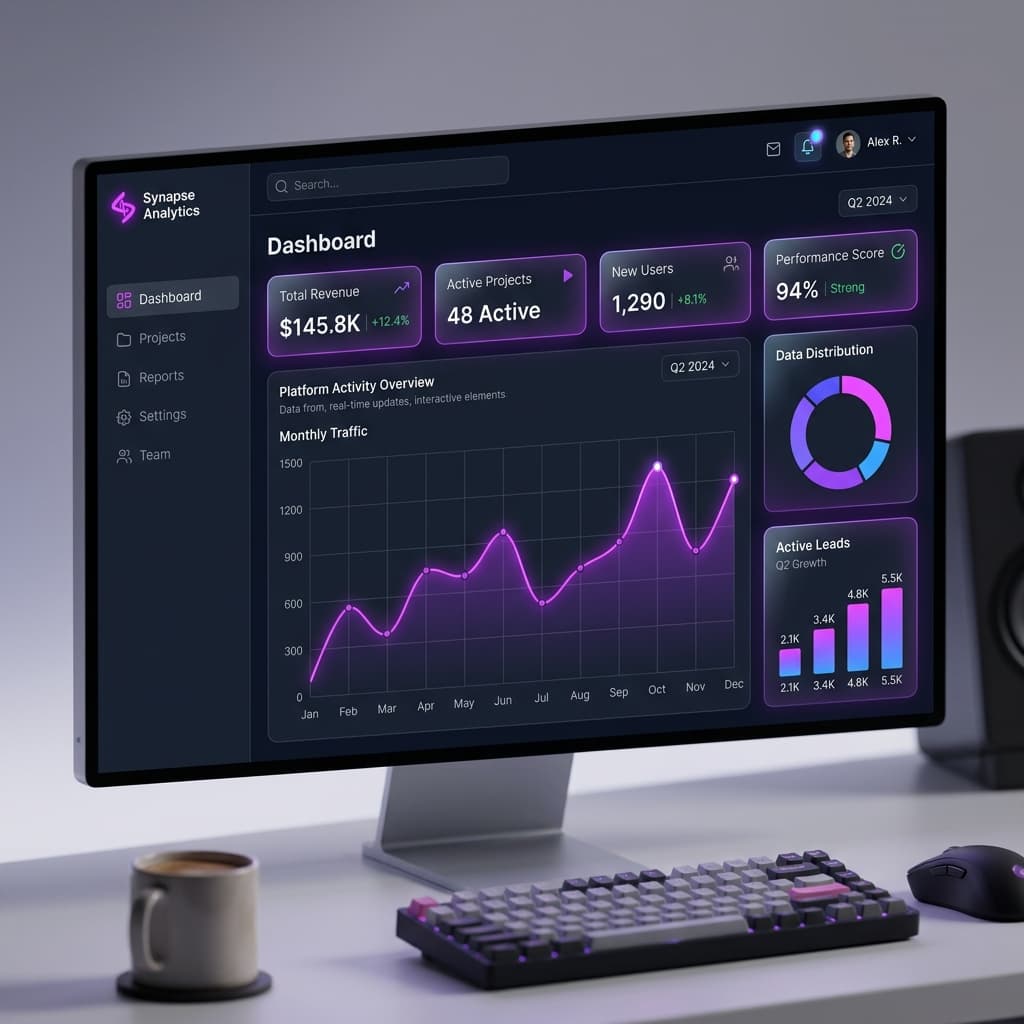
Ship with structured logs: prompt version, tool calls, retrieval sources, latency breakdown, and outcome labels. Dashboards should answer "what failed yesterday?" without reading raw transcripts. QuantaloomAI integrates eval runs into CI where possible so prompt or model updates cannot merge without passing regression suites.
Evals are not optional extras
Evals are how production-ready AI products stay production-ready. Build a golden set from real (anonymized) examples representing happy paths, ambiguous cases, and known failure modes. Score outputs against rubrics your domain experts agree on — not generic "helpfulness" scores.
Run evals on every meaningful change: model swap, prompt edit, retrieval index update, or tool schema change. Pair offline evals with online monitoring: sample production traces, label failures, feed them back into the golden set. This loop is how quality compounds instead of decaying.
We have seen teams cut incident response time in half simply by naming failure categories upfront — hallucinated pricing, wrong document version, unauthorized action attempted — and tracking them in dashboards.
UX patterns that reduce production risk
AI products fail in UX before they fail in infrastructure. Design for:
- Visible states: loading, retrieving, drafting, awaiting approval, failed with retry
- Confidence communication: when to trust, when to verify, when to escalate
- Editable outputs: humans correct; the system learns from corrections via eval sets
- Graceful degradation: if the model times out, preserve partial progress and offer a manual path
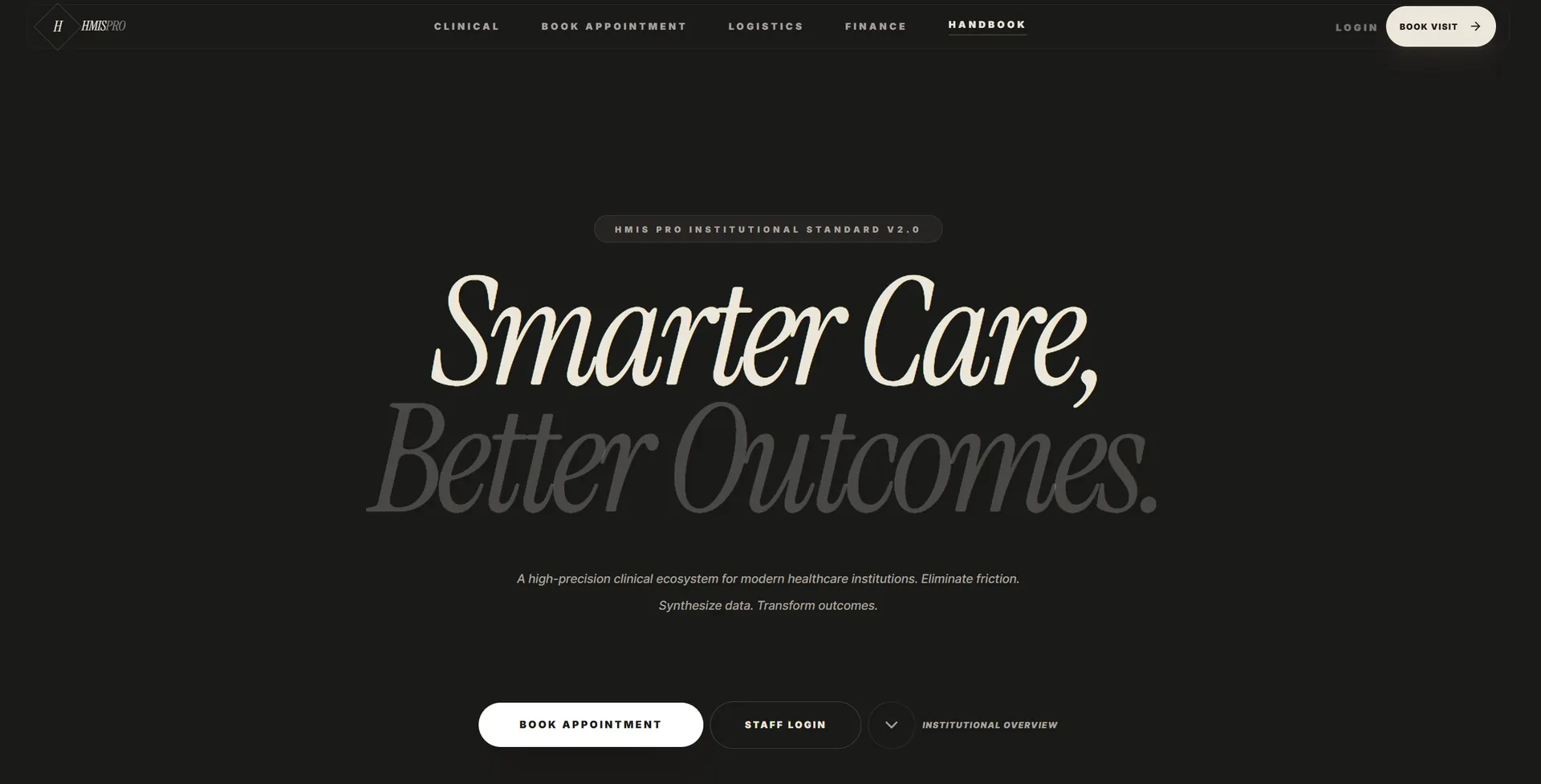
Our work on platforms like HMIS Pro reinforced a simple rule: in regulated or high-stakes environments, the interface must make accountability obvious. Clinicians and operators should never wonder who — human or model — initiated an action.
Deployment, cost control, and iteration
Production deployment means environment separation, secrets management, rate limits, and rollback plans. Model routing can reduce cost dramatically: smaller models for classification, larger models for synthesis, cached embeddings for stable corpora.
After launch, run iteration sprints focused on failure clusters, not random prompt tweaks. Prioritize fixes that move completion rate, reduce escalations, or cut cost per outcome. The teams that win in 2026 treat AI products like software with a behavior backlog — not like a one-time model integration project.
When to bring in a production partner
Consider external support when internal teams are strong on product or infra but lack eval discipline, agent orchestration experience, or regulated-domain constraints. QuantaloomAI ships SaaS platforms and AI layers together so auth, billing, admin tooling, and model behavior evolve as one system.
If your roadmap includes agents that call tools, route across departments, or serve customers directly, invest early in the production stack — evals, observability, UX guardrails, and operational metrics. That is the difference between a demo that wins a meeting and a product that wins a market.
*Written by Sharjeel Ahmed, QuantaloomAI. Ready to move from prototype to production? Book a briefing or email hello@quantaloomai.com.*