Custom GPTs vs custom AI products is the decision many enterprises face after a successful internal pilot. A custom GPT (or similar chat configuration) proves the idea quickly. A custom AI product carries auth, permissions, audit logs, SLAs, and interfaces operators trust under load. Confusing the two is how budgets stall between "cool demo" and "we cannot put this in front of customers."
QuantaloomAI helps leadership teams decide when a configured assistant is enough — and when they need a real product. The answer depends less on model branding and more on risk, integration depth, and who owns the outcome.
Custom GPTs vs custom AI products: a clear definition
Custom GPTs / configured assistants are prompt + knowledge + light tools living inside a vendor chat surface. Fast to stand up. Limited control over UX, tenancy, data flows, and release process.
Custom AI products are software systems: your auth, your data plane, your workflows, your observability, your UI. Models are components — not the product. See also why thin AI wrappers fail.
Enterprises actually need the second when AI writes to systems of record, serves external users, or sits in regulated workflows. They can use the first for internal ideation, policy Q&A with low blast radius, and prototype validation.
When a custom GPT is the right move
- Internal knowledge Q&A with non-sensitive corpora
- Exploring prompt patterns before committing to build
- Temporary coverage for a process redesign
- Teams without engineering capacity yet measuring demand
Even then, enforce data classification rules. Do not upload regulated datasets into consumer-grade configurations. Pair experiments with a kill date and success criteria so pilots do not linger forever — a theme from pilot to production.
When enterprises need a custom AI product
External users and brand risk
Anything customer-facing needs your design system, escalation paths, and incident response — not a generic chat chrome. Trust UX patterns matter; see AI product design that builds trust.
Deep system writes
Creating tickets, updating ERP, scheduling appointments, or changing HR records requires scoped tools, approvals, and audit trails. Chat configs rarely meet enterprise change-management standards.
Multi-tenant SaaS and IP
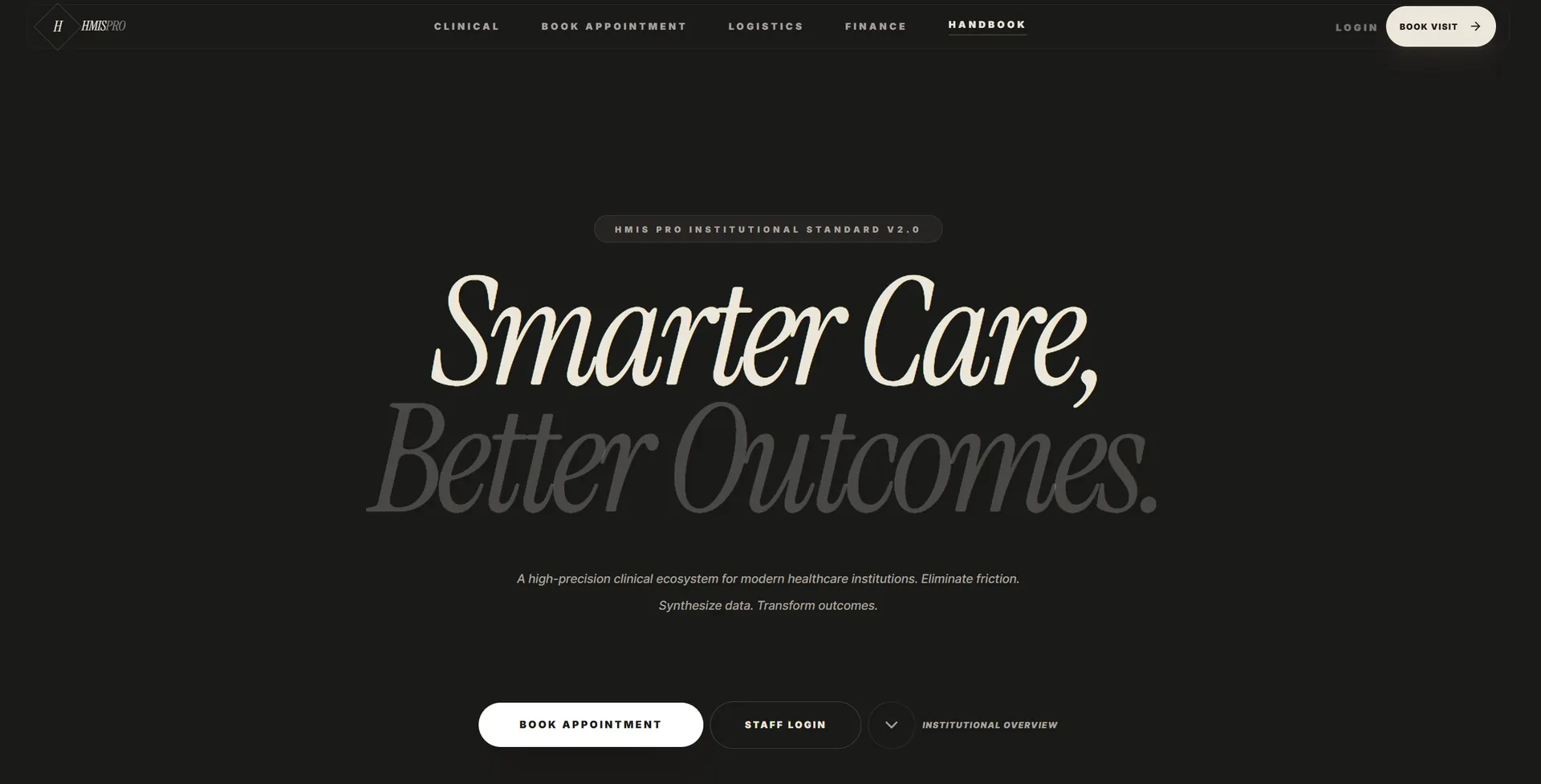
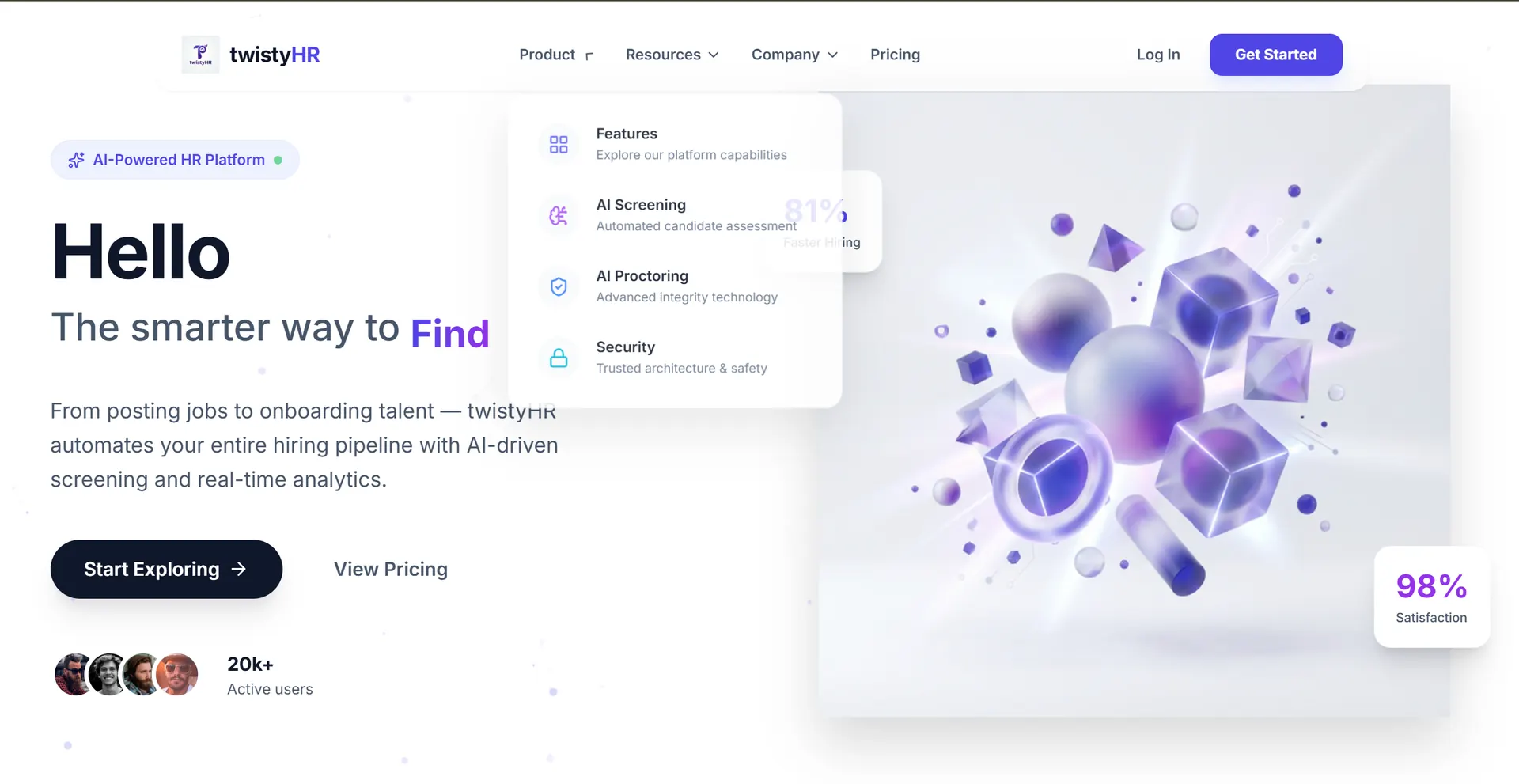
If AI is part of your commercial product, you need tenancy, metering, and differentiation. QuantaloomAI SaaS platforms and AI product development engagements treat the model as a feature inside a broader platform — the approach behind builds like HMIS Pro and twistyHR.
Compliance and residency
Audit trails, access control, and data residency rarely fit neatly into consumer GPT shells. Plan for compliance-ready AI from the architecture stage.
Decision checklist for executives
Ask:
1. Who is the end user — employee only, or customer? 2. Does the system write, or only read? 3. What is the cost of a wrong answer? 4. Do we need SSO, RBAC, and exportable audit logs? 5. Is this a capability inside our product roadmap?
If answers lean toward risk and productization, skip endless GPT tuning and fund a proper build with evals and observability.
Migration path from GPT pilot to product
Keep the intent taxonomy and example dialogues from the pilot. Replace the chat shell with your UI. Move knowledge into a governed retrieval layer. Add tool APIs with least privilege. Install evaluation gates before expanding users. This path preserves learning without pretending the pilot was production.
Cost reality
Custom GPTs look cheap until shadow IT multiplies subscriptions and sensitive data leaks. Custom products look expensive until you amortize across workflows and defend a moat. Mid-market winners budget for productization of the one or two workflows that move P&L — not fifty disconnected assistants.
Build vs buy vs configure
Use this ladder:
1. Configure a vendor assistant for low-risk internal Q&A 2. Compose vendor models inside your app with your retrieval and tools 3. Build product UX, tenancy, and workflow ownership when AI is strategic
Most enterprises stall between 1 and 2. Step 2 is usually the minimum for customer-facing or system-writing features. Step 3 is required when AI is part of what you sell. QuantaloomAI brand systems and product teams also ensure AI surfaces feel like your company, not a rented chat window.
Security review as a forcing function
Enterprise security questionnaires expose wrapper gaps instantly: no SSO, no audit export, no residency story, no eval evidence. Treat those questions as a product backlog. If you cannot answer them in a week, you are not ready for external users — regardless of how clever the prompts feel in a demo. Pair architecture with compliance-ready AI early.
Organizational ownership
Custom GPTs often live under a curious business unit with a credit card. Custom AI products need product management, engineering, security review, and an on-call rotation. If nobody owns incidents, you do not have a product. Align incentives: process owners share KPIs with the delivery team so "model playground time" is not mistaken for shipped value.
For a sequenced path from idea to production, use the QuantaloomAI 90-day playbook. For differentiation beyond wrappers, read why thin AI wrappers fail.
*Written by Sharjeel Ahmed, QuantaloomAI. Book a briefing to decide GPT vs product for your next AI bet.*